
Home Blog Page 2

Classroom Management Resources: Tools, Tips, and Strategies

0
Classroom Management Resources

Classroom management is one of the most essential aspects of successful teaching. It can truly make or break your experience as an educator. If your classroom feels chaotic, unstructured, or stressful, even the best lesson plans will fall flat. But with the right Classroom Management Resources, tools, and strategies in place, classroom management becomes the foundation for a thriving, joyful, and productive learning environment.

As someone who entered the teaching profession during one of the most challenging times in modern education history—the height of COVID-19—I can tell you firsthand just how vital strong classroom management skills are. This article will walk you through real-life classroom management strategies, tools, and resources that I’ve used, refined, and relied on in both virtual and physical classrooms.

My Story: Learning Classroom Management the Hard Way

When I began my teaching credential program, everything was online. Schools were closed, and Zoom became our new classroom. My entire credential program and student teaching experience were conducted virtually. I never stepped foot into a physical classroom during my training.

It wasn’t until schools began to reopen that I stood in front of actual students in person. And that’s when the reality hit me like a ton of bricks: I had no idea how to manage a real-life classroom. Sure, I understood educational theory. But when it came to managing physical space, redirecting behavior, and setting up classroom systems—I was completely lost.

That was my wake-up call. Classroom management wasn’t just a nice-to-have—it was essential. It wasn’t about controlling kids. It was about creating structure, fostering safety, and laying the foundation for learning. Without it, progress was impossible.

The Truth: Classroom Management Is Not One-Size-Fits-All

Let me bust one big myth: there is no universal approach to classroom management. Every class is different. Every group of students brings their own personalities, challenges, and needs. What works like magic for one group might flop completely with another.

That’s okay.

The key is to stay flexible, reflective, and responsive. Pay attention to your students. Adjust your systems when needed. Classroom management is about meeting students where they are—and building systems that help everyone succeed.

1. Start with Teaching Routines — Explicitly

One of the most powerful classroom management resources at your disposal is a strong set of routines. But more importantly, those routines must be explicitly taught.

Here are just a few basic routines to establish right from the start:

  • Where do students place their backpacks?
  • How do they enter and exit the classroom?
  • Where do they get supplies?
  • What do they do when they finish early?
  • How do they line up? Ask questions? Request a break?

These might seem like small details, but together, they form the backbone of a well-managed classroom.

Pro Tip: Ask Yourself These Questions When Setting Up Routines

  • What do I want students to do when they walk into the classroom?
  • Where should their personal items go?
  • How will transitions look and sound?
  • How do students know when it’s time to move on?
  • How will students access support or ask for help?

Once you have the answers, model them. Then model them again.

2. Use Fishbowl Demonstrations for Modeling Expectations

One of my favorite strategies is the “fishbowl” demonstration. If you’ve never tried it, it’s a game-changer.

Here’s how it works: You model a routine or behavior in front of the class—either with another adult (if available) or a student volunteer. The rest of the class observes. Then, students practice together. This strategy is incredibly helpful for teaching behaviors like group work, lining up, or using partner talk (like “Think-Pair-Share”).

Seeing it done makes expectations crystal clear. Plus, it provides an opportunity for students to reflect and ask questions before they’re expected to perform independently.

3. Integrate Brain Breaks Into Your Daily Schedule

One of the most overlooked classroom management tools is something super simple: movement.

Young learners (and honestly, students of any age) need time to move, stretch, and reset their energy. In my classroom, we take brain breaks using resources like:

  • GoNoodle
  • Cosmic Kids Yoga
  • Simple YouTube dance or movement videos
  • Quick stretching routines

Brain breaks help prevent behavioral disruptions by giving students space to regulate. They also make your classroom feel more joyful and engaging.

4. Use Timers as a Visual and Auditory Support

Timers are one of the most versatile classroom management resources I use every day. Whether you’re working with neurodivergent students, younger children, or students with anxiety, timers help provide structure and predictability.

I use them for:

  • Clean-up transitions
  • Independent work time
  • Rest periods
  • Turn-taking activities

You can use visual timers on the screen or traditional sand timers—whatever fits your style.

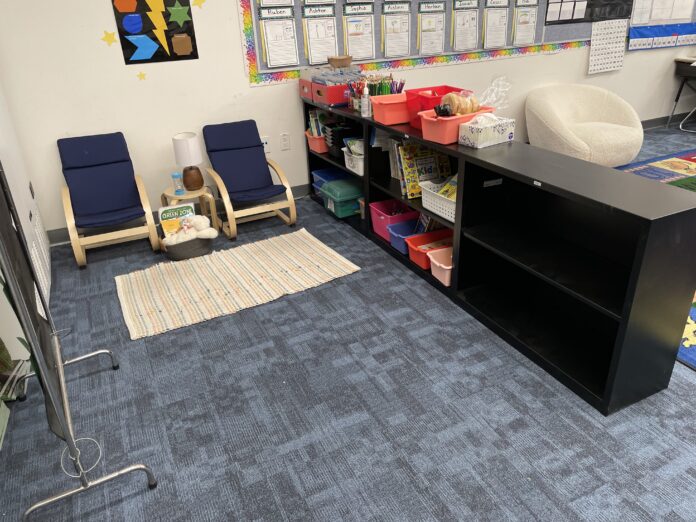
5. Create a Peace Corner (Also Called a Calming Corner)

A Peace Corner is a designated space in your classroom where students can go when they feel overwhelmed, frustrated, or just need a break. It’s not a punishment zone—it’s a self-regulation tool.

Here’s how to set one up:

  • A soft rug or cushion
  • A small timer
  • A calm-down jar or fidget toy
  • Visuals with calming strategies (breathing, counting, stretching)
  • Optional reflection sheets

You don’t need fancy furniture. Use what you have. The goal is to help students recognize their emotions and manage them independently.

6. Leverage Visual Supports

Visuals are classroom management power tools. They reduce the need for repeated verbal directions and support independence. I use visuals for:

  • Daily schedules
  • Step-by-step task instructions
  • Behavior expectations
  • Transition signals
  • Hand signals

For students who are neurodivergent, English language learners, or simply visual processors, visual cues make the environment more accessible and supportive.

7. Build Strong Relationships with Your Students

Classroom management isn’t just about structure. It’s about relationships.

When students feel seen, valued, and respected, they’re more likely to engage positively in the classroom community. That’s why I make it a point to:

  • Greet every student at the door
  • Learn their interests and hobbies
  • Celebrate birthdays, milestones, and wins
  • Listen—really listen—when they speak

Classroom culture is the secret sauce of effective management. When students feel they belong, they naturally begin to uphold classroom expectations.

8. Practice Responding, Not Reacting

This might be the hardest (but most important) mindset shift: respond, don’t react.

When behaviors arise—and they will—it’s easy to get frustrated or take things personally. But pausing to breathe and respond thoughtfully can change the dynamic in powerful ways.

Ask yourself:

  • What’s the root cause of this behavior?
  • What unmet need might be showing up?
  • How can I respond in a way that builds safety and trust?

Staying calm helps you model emotional regulation and builds a more respectful classroom environment.

9. Take Care of Yourself, Too

Classroom management can be emotionally and physically draining. That’s why part of managing your classroom is managing yourself.

Here are a few self-care reminders:

  • Drink water.
  • Take your breaks.
  • Journal your reflections.
  • Reach out to colleagues.
  • Set realistic boundaries.

You are the heart of your classroom. And your energy impacts your students. Protecting your well-being is an act of service to your students, too.

10. Your Classroom Management Starter Toolkit

Here’s a printable-friendly list of classroom management resources and tools to kickstart your success:

Routine Checklist

  • Morning entry
  • Transitions
  • Dismissal
  • Bathroom protocol
  • Early finisher activities

Fishbowl Modeling Templates

  • Group work expectations
  • Partner routines
  • Supply use demonstrations

Brain Break Playlist

  • GoNoodle favorites
  • Stretch and yoga videos
  • Quick movement songs

Visual Timer Suggestions

  • Online timers (Classroom Timer, Toy Theater)
  • Sand timers or digital countdown clocks

Peace Corner Setup Guide

  • Suggested materials list
  • Example visuals
  • Reflection sheets

Printable Visuals

  • Behavior charts
  • Class rules
  • Daily schedule
  • Noise level meter
  • Transition signals

Final Thoughts: Classroom Management Is a Journey, Not a Destination

Strong classroom management isn’t about being strict or controlling—it’s about building systems, setting clear expectations, and nurturing relationships. It’s about helping students feel safe, supported, and empowered to learn.

And most importantly, it’s about giving yourself grace.

You’re going to make mistakes. You’ll try things that don’t work. That’s all part of the process. Keep learning. Keep growing. And most of all—keep showing up for your students.

They need you. And you’ve got this.
Kindergarten Classroom Management: Philosophy & Foundations

0
Kindergarten Classroom Management

Classroom management in kindergarten is one of the most important foundations for a successful school year. It’s not just about keeping students quiet or getting them to line up—it’s about creating an environment where young learners feel safe, respected, and excited to learn. Effective classroom management sets the stage for positive behavior, strong relationships, and academic growth.

As a kindergarten teacher, I’ve learned that successful classroom management is built on three pillars: relationships, routines, and consistency.

Leading with Warmth and Structure

My classroom management philosophy combines warmth and structure. I aim to create a space where students feel loved, seen, and supported, while also understanding clear and consistent expectations. Kindergarten students thrive when they know the boundaries and feel empowered to meet them.

I use an authoritative teaching style—firm but kind. Instead of yelling or using shame-based discipline, I focus on building trust and modeling behavior. When students feel a connection with their teacher, they are more motivated to behave positively.

I also greet every student at the door each morning with a smile or a special handshake. This small gesture sets a positive tone and makes students feel welcome right from the start. Building strong relationships is the first step in managing behavior in the classroom.

The Power of Kindergarten Routines and Expectations

In kindergarten, routines are everything. They reduce anxiety and help children feel confident throughout the day. From day one, I carefully model every procedure—from how to hang up a backpack to how we clean up after centers.

To make routines stick, I use:

  • Visual aids
  • Songs and chants
  • Hand signals
  • Body movement cues

For example, we sing a “carpet time” song that reminds students to push in their chair, walk safely, and sit criss-cross on their spot. These small rituals become second nature and keep our day running smoothly.

Creating Classroom Expectations Together

Instead of handing students a list of rules, I involve them in the process. We discuss what kind of classroom we want—kind, respectful, safe—and write rules together. Because students help create these expectations, they feel ownership and are more likely to follow them.

We also use classroom anchor charts with pictures to support our rules. These visuals are great for non-readers and serve as daily reminders.

Building a Kindergarten Classroom Community

A strong classroom community is the heart of kindergarten classroom management. Every student plays an important role. We assign classroom jobs that rotate monthly—line leader, calendar helper, door holder, light monitor, and more. These jobs build responsibility and give students a sense of purpose.

We also start every day with a morning meeting. During this time, we:

  • Greet each other by name
  • Share feelings or stories
  • Talk about the day’s schedule
  • Practice social-emotional skills

Morning meetings create a culture of connection and cooperation, helping students feel like valued members of the class.

We use structured greetings like “Good Morning, [Name]” and incorporate a daily question to spark discussion. This could be as simple as, “What’s your favorite color?” or “What animal would you like to be today?”

Teaching Social Skills and Conflict Resolution

Kindergarten is a time when children are learning how to interact with peers. I teach social skills daily by:

  • Modeling respectful language
  • Practicing turn-taking and sharing
  • Using visuals and role-play for problem-solving

Phrases like “Can I play when you’re done?” or “I didn’t like that” become part of our shared vocabulary. Teaching these tools helps students solve conflicts peacefully and build empathy.

We also use puppets and storybooks to teach empathy and emotional literacy. Books like “Hands Are Not for Hitting” and “My Mouth Is a Volcano” are great conversation starters.

Creating a Supportive Classroom Environment

The physical layout of the classroom can support or hinder classroom management. I design my classroom to be:

  • Calm and clutter-free
  • Organized and accessible
  • Inviting and student-centered

Students can easily find and return supplies. Workspaces encourage collaboration but also allow for independence.

Introducing the Peace Corner

One of my favorite features is our Peace Corner—a quiet space where students can go to calm down. It includes:

  • Soft pillows
  • Sensory tools
  • Calming visuals
  • A feelings chart

This space is not a punishment area—it’s a self-regulation tool. Students learn to recognize their feelings and take a break when needed. It empowers them to return to the group when they feel ready.

I also teach breathing techniques and mindfulness practices. We use simple breathing exercises like “Smell the flower, blow out the candle” to help calm our bodies.

Using Positive Reinforcement Effectively

In my classroom, I focus on catching kids doing the right thing. Positive reinforcement encourages good behavior in a natural, uplifting way.

We use a simple system called “Gold Slips”:

  • Students earn slips for kindness, hard work, or following directions.
  • We draw names twice a week for small prizes like stickers or extra choice time.

Even more powerful than prizes is specific verbal praise. Instead of saying “Good job,” I say:

  • “I saw you push in your chair so respectfully.”
  • “You helped a classmate without being asked—that was kind.”

We also use a class-wide goal system. When the class fills a marble jar or earns 10 stars on the board, we celebrate with a dance party or extra recess. These shared rewards encourage teamwork and community spirit.

Responding to Behavior Challenges with Compassion

Not every day is perfect, and not every child follows expectations all the time. When behavior issues arise, I remind myself: All behavior is communication. Children may act out because they’re tired, upset, or overwhelmed.

Instead of reacting emotionally, I respond with:

  • Clear, calm redirection
  • Choices within boundaries
  • Logical consequences

Example: If a child is disruptive at the carpet, I may say, “You can choose to sit here respectfully or take a break at your table.” This gives the child control, but still holds them accountable.

Logical consequences also work well. If a student doesn’t finish their work, they might complete it during playtime. If someone is being too loud, they may move to a quieter space. These consequences teach cause and effect in a respectful way.

I document patterns of behavior and work closely with support staff if needed. Early intervention can make a huge difference for students who need extra help.

Partnering with Kindergarten Families

Strong classroom management extends beyond the classroom. Parent-teacher communication is essential. I keep families informed with:

  • Notes home
  • Quick chats at pickup
  • Photos of student work
  • Regular updates on behavior

I always frame communication as teamwork: “We’re working together to help your child succeed.” This builds trust and helps reinforce classroom expectations at home.

We also invite families into the classroom for special events or volunteer opportunities. When parents are involved, students feel supported both at school and at home.

Reflecting and Adapting Throughout the Year

Kindergarten classroom management isn’t one-size-fits-all. Every class has a unique personality. I reflect regularly on:

  • What’s working?
  • What needs to be tweaked?
  • How can I better meet my students’ needs?

Sometimes a new routine or classroom setup makes all the difference. Flexibility and reflection are key to growing as an educator.

I also collect feedback from students. Simple questions like, “What do you like best about our classroom?” or “What helps you feel calm?” can offer valuable insights.

Final Thoughts

Classroom management in kindergarten goes beyond controlling behavior—it’s about nurturing young learners, building a positive community, and empowering students to thrive. With routines, relationships, and the right strategies in place, managing a classroom of energetic five-year-olds can become one of the most joyful parts of teaching.

Whether you’re a new teacher or a seasoned educator, remember: Consistency, connection, and compassion are your best tools. And when it all comes together, the magic of kindergarten shines through every moment.

Effective kindergarten classroom management is not just a skill—it’s a mindset. Approach each day with empathy, curiosity, and a willingness to learn alongside your students, and you’ll create a classroom where everyone thrives.

Morning Meeting Games for Kindergarten

0
Morning Meeting Games for Kindergarten

Starting the school day with a morning meeting can be one of the most powerful ways to build classroom community, get kids engaged, and sneak in some learning through play. Morning Meeting Games for Kindergarten are especially effective, as attention spans are short and energy is high — which is why incorporating simple games that transition into writing is a game-changer.

Here are three of my favorite go-to Morning Meeting Games for Kindergarten that are fun, quick, and lead naturally into meaningful writing activities.

1. Would You Rather? — A Simple Game with Big Impact

One of the easiest and most engaging morning meeting games is “Would You Rather?” It’s quick to set up, sparks conversation, and gets students thinking creatively.

How to Play: Pose a fun, age-appropriate question to the class like:

  • “Would you rather slide down a rainbow or jump on a cloud?”
  • “Would you rather eat only ice cream or only pizza for a week?”
  • “Would you rather be a cat or a dog?”

Have students move to different sides of the carpet to show their answer — for example, the left side for option A, and the right for option B. Once students choose, invite a few to share why they made their choice.

Why it works: This game supports speaking and listening standards, encourages students to express opinions, and helps them practice decision-making in a playful way. It’s also a great way for you (and their peers) to get to know them better!

Kid-Friendly “Would You Rather?” Questions

Here are more fun and imaginative prompts you can rotate into your morning meeting:

Silly & Imaginative

  • Would you rather have a pet dragon or a pet unicorn?
  • Would you rather be able to fly or be invisible?
  • Would you rather live in a castle or on a spaceship?
  • Would you rather swim in a pool of Jell-O or a pool of marshmallows?
  • Would you rather have three arms or three legs?

Food-Themed

  • Would you rather eat only cupcakes or only pancakes for a week?
  • Would you rather have spaghetti hair or popcorn feet?
  • Would you rather eat a banana or a strawberry?
  • Would you rather drink chocolate milk or strawberry milk?

Animal-Themed

  • Would you rather be a lion or a dolphin?
  • Would you rather hop like a frog or waddle like a penguin?
  • Would you rather ride an elephant or a zebra?
  • Would you rather talk to animals or be able to turn into one?

Extend It into Writing:

After a few rounds, guide students to turn their verbal response into a written sentence. Use a simple sentence frame like:

“I would rather ________ because ________.”

You can model this on chart paper or your whiteboard:

“I would rather be a dog because I could play all day.”

Students can then write and illustrate their sentence in their journals. It’s a seamless transition from talking to writing — and it builds confidence in expressing ideas on paper.

2. Alphabet Ball — A Fun Twist on Letter Practice

Looking for a way to reinforce letter sounds and vocabulary while getting some movement in? “Alphabet Ball” is perfect for that.

How to Play: Gather the class in a circle and start with a soft ball. The first student says a word that starts with the letter A and tosses the ball to someone else. That student says a B word, and so on through the alphabet. If a student is stuck, they can get help from a classmate or say “pass” and keep the ball moving.

You can modify the game depending on your group:

  • Try just going through letters A–M one day and N–Z the next.
  • Choose a theme: animals, foods, places, etc.
  • Instead of words, students can say the letter sound or name a classmate whose name starts with that letter.

Why it works: This game helps students build letter-sound connections, recall vocabulary, and practice turn-taking — all while moving and staying engaged.

Extend It into Writing: After the game, choose one of the words that came up and have the class write about it. For example, if someone said “dinosaur” for the letter D, students can write:

“A dinosaur is big. It has sharp teeth.”

Or offer a simple prompt like:

“My favorite alphabet word was ________ because ________.”

Let them illustrate their sentence or even try labeling their drawing for an extra literacy boost.

3. What’s in the Picture? — A Visual Springboard for Speaking and Writing

Visuals are powerful tools in early childhood classrooms — especially for English Learners. “What’s in the Picture?” is a low-prep, high-impact game that encourages language-rich discussion and naturally transitions into writing.

How to Play: Choose a photo or illustration with lots of detail — it could be seasonal, silly, or related to your current theme. Show it to the class during morning meeting and ask open-ended questions like:

  • What do you see?
  • What do you think is happening?
  • What might happen next?
  • How do you think the characters feel?

Let students share their observations and ideas aloud. You can chart some of their responses, especially for your ELD students, to support vocabulary development and sentence structure.

Why it works: This activity gives all students — especially English Learners — the chance to:

  • Practice using descriptive language
  • Build vocabulary in context
  • Develop oral language before being expected to write
  • Engage with visual cues to support comprehension

Connect It to ELD Writing

After the discussion, guide students to use their ideas in writing. For example:

Writing Prompts:

  • “I see a ______.”
  • “The dog is ______.”
  • “The kids are at the ______.”
  • “I think they are ______ because ______.”

Students can draw a scene from the picture and write a matching sentence. For ELD support, you might provide a word bank or sentence frames, or let students copy from shared class sentences to build confidence.

Example Scaffolding:

  • Beginner: Copy a modeled sentence (e.g., “I see a snowman.”)
  • Intermediate: Fill in the blanks with help (e.g., “The ______ is ______.”)
  • Advanced: Write original thoughts based on the picture.

This game not only builds a bridge from oral to written language — it also empowers all learners, especially those acquiring English, to participate, take risks, and express their thinking in meaningful ways.

Why These Games Matter

Each of these Morning Meeting Games for Kindergarten takes just 5–10 minutes but sets a joyful tone for the day. Even better? They allow your students to transition naturally from speaking into writing — an essential skill in Kindergarten and a powerful tool for ELD support.

By blending movement, visuals, and voice, you’re helping students become confident thinkers, speakers, and writers — all before your first lesson of the day even begins.

Creating Connections Through Community Circle

0
community circle

Creating a warm, inclusive, and supportive classroom environment is essential in the early years of education. One of the most effective strategies to build classroom unity, support language development, and promote social-emotional learning is through a practice known as the Community Circle in Kindergarten. This simple yet powerful daily or weekly routine helps children connect with each other, express their thoughts and feelings, and develop essential communication skills.

In this article, we’ll explore the many benefits of Community Circle in Kindergarten classrooms, how to implement it effectively, and why it’s a vital part of early childhood education.

What Is a Community Circle in Kindergarten?

A Community Circle (sometimes called a class meeting or morning meeting) is a dedicated time when the entire class gathers in a circle to talk, share, and listen. This inclusive practice can take place at various points in the school day—morning, afternoon, or whenever the class needs a moment to regroup and reconnect.

Unlike traditional lessons, the Community Circle is more informal, interactive, and focused on connection rather than academic content. The goal is to build a strong classroom community where every child feels safe, heard, and valued.

Why Is Community Circle Important in Kindergarten?

At the heart of a successful kindergarten classroom is a sense of belonging. Young children thrive in environments where they feel emotionally safe and socially connected. The Community Circle provides that environment.

1. Building Classroom Community

One of the primary purposes of a Community Circle is to build classroom community. When students come together to share their thoughts, listen to their peers, and take turns, they begin to see themselves as part of a team. This sense of unity reduces conflicts and increases cooperation throughout the day.

2. Promoting Social-Emotional Learning

Incorporating a Community Circle in Kindergarten supports social-emotional learning (SEL). Students learn to recognize their feelings, manage their emotions, and respond to others with empathy and respect. These skills are foundational for lifelong learning and healthy relationships.

3. Encouraging Language Development

The Community Circle is also a valuable space for language development in Kindergarten. It allows students—especially English Language Learners (ELLs)—to practice speaking and listening in a low-pressure, supportive setting. Repeated exposure to vocabulary, sentence structure, and conversational norms helps young learners gain confidence and fluency.

Key Components of an Effective Community Circle

Implementing an engaging and successful Community Circle involves a few simple but powerful tools and strategies. Here’s how to make the most of your Community Circle time:

1. Use of a Talking Piece

A talking piece is a special object—often a stuffed animal or a culturally meaningful item—that is passed around the circle. Only the person holding the talking piece may speak, while everyone else listens respectfully.

This tool teaches several critical skills:

  • Turn-taking
  • Active listening
  • Respect for others’ voices
  • Impulse control

Children quickly learn that their voice matters, and so does everyone else’s. If a student speaks out of turn or behaves unkindly, they are gently reminded of the rules and may lose their turn. Consistent review of expectations ensures that all students understand and follow the norms.

2. Incorporating Student Voice

Giving students the opportunity to bring a special item from home and share it with the class adds a personal and engaging element. When it’s their turn, they describe their item and share why it’s meaningful to them. This gives students a reason to speak, encourages self-expression, and builds pride.

After the student shares, the item can be passed around the circle (when appropriate) for others to see or hold. This not only fosters respect but also helps students connect over shared interests.

3. Supporting Language Learners

The Community Circle is especially beneficial for English Language Learners. It provides a safe space for listening to spoken English, practicing new words, and using complete sentences.

Some children may not be ready to speak yet—and that’s okay. Instead, they can show a thumbs up or thumbs down in response to simple questions like:

  • “Do you like dogs or cats?”
  • “Would you rather play outside or inside?”
  • “Do you prefer using crayons or markers? Why?”

This type of participation ensures that all students are involved, even if they’re not speaking aloud.

Using Visual Supports: Zones of Regulation

Another helpful tool during Community Circle time is the Zones of Regulation. This system uses visual cues and color-coded zones (Blue, Green, Yellow, Red) to help children identify their emotions and energy levels. Each zone corresponds to a different emotional state, such as:

  • Blue Zone: Sad, tired, bored
  • Green Zone: Calm, happy, focused
  • Yellow Zone: Silly, frustrated, excited
  • Red Zone: Angry, out of control

Using visuals—like emotion cards or posters—helps all children, including those with Individualized Education Programs (IEPs), recognize and express how they feel. Teachers can ask, “What zone are you in today?” or “What helps you move back to the green zone?”

In some classrooms, simplified visuals with only feelings (no text) are used to accommodate diverse learners. This approach ensures accessibility and supports emotional literacy for all students.

When and How Often to Hold a Community Circle

Community Circles can be held daily, several times a week, or even as needed based on classroom dynamics. Some teachers use them to start the day and set a positive tone, while others use them after lunch or during transitions to help students refocus.

The key is consistency. When Community Circle becomes a regular part of the classroom routine, students come to expect it and rely on it as a safe space for connection.

Even spontaneous Community Circles—called when the class feels unsettled or disconnected—can be powerful moments to reset behavior, address group challenges, or celebrate successes.

Benefits of Community Circle in Kindergarten

Research and classroom experience both show the benefits of incorporating Community Circle into early childhood education. Some of the top benefits include:

1. Improved Emotional Regulation

Students learn how to identify and manage their feelings through regular conversations and the use of tools like the Zones of Regulation.

2. Stronger Peer Relationships

By sharing stories, listening to others, and taking turns, students build empathy and develop positive peer connections.

3. Enhanced Communication Skills

Frequent opportunities to speak in a supportive environment boost confidence, vocabulary, and listening skills—especially for language learners.

4. Fewer Behavior Issues

When students feel heard and respected, they’re more likely to respect others. Community Circle routines often lead to fewer disruptions and a calmer classroom atmosphere.

5. A Safe Space for All Voices

Every student, regardless of ability, background, or language level, has a place in the circle. This inclusivity reinforces a sense of belonging and emotional safety.

Tips for a Successful Community Circle

Here are a few simple tips to make your Community Circle time successful and impactful:

  • Keep it short and meaningful – 10–15 minutes is often enough for young learners.
  • Use open-ended questions – Encourage critical thinking and personal sharing.
  • Model expected behavior – Show what active listening and respectful speaking look like.
  • Be flexible – Tailor questions and activities based on your students’ needs and moods.
  • Celebrate growth – Acknowledge when students make progress in communication or emotional expression.

Conclusion: The Power of Community Circle in Kindergarten

Implementing a Community Circle in Kindergarten is one of the most effective ways to foster classroom unity, promote social-emotional learning, and support language development. It’s a flexible, inclusive, and meaningful routine that helps children feel connected, confident, and cared for.

Whether used daily or as needed, Community Circle creates space for every child to be seen, heard, and valued. As educators, we have the opportunity to shape not just academic success, but also the emotional and social foundation that children will carry with them throughout their lives.

Start small, be consistent, and watch how this simple practice transforms your classroom community.

How to Start Sourdough: A Beginner’s Guide

0

Starting your sourdough journey doesn’t have to be scary. In fact, learning how to start sourdough can be one of the most rewarding—and surprisingly simple—skills you’ll ever master. The smell of fresh bread, the crackle of the crust, and the tangy, chewy center make every effort worth it. But if you’re feeling overwhelmed, you’re not alone. Many beginners think sourdough is too complicated or easy to mess up. The truth? Sourdough is more forgiving than it looks—and you can do this.

Why Start Sourdough?

Sourdough isn’t just bread—it’s tradition, science, art, and therapy all in one. The natural fermentation process makes sourdough easier to digest and gives it that signature tangy flavor. Best of all, it connects you to a slower, more intentional way of living.

If you’re a busy parent, teacher, or just someone craving a grounding hobby, sourdough baking can become your favorite daily ritual. Feeding your starter and baking bread offers a sense of calm, creativity, and accomplishment. It reminds you that nourishment comes not just from food—but from process and presence.

Common Sourdough Fears (And How to Beat Them)

1. What if I can’t keep my starter alive?

This is the most common worry when learning how to start sourdough. Think of your starter as a low-maintenance pet. It just needs regular “feeding”—a mix of flour and water. Even if it looks inactive, consistent feedings will revive it.

  • Simple feeding ratio: 1:1:1 (starter:flour:water)
  • Longer-lasting method: 1:5:5 (for more time between feedings)

Choose the one that fits your routine. Your starter will adapt.

2. What if my bread doesn’t rise?

Flat sourdough isn’t a failure—it’s a learning opportunity. A weak starter, under-proofing, or shaping issues can all affect the rise. Keep notes, trust the process, and remember: even a dense loaf makes amazing toast.

3. I don’t want to waste ingredients.

Start small. You can create your starter and bake test loaves with just a few grams of flour. There’s no need to go big while you’re still experimenting. Practice on a small scale, then build confidence and scale up later.

4. The process looks too complicated.

One of the easiest ways to start sourdough is by using dry sourdough starter. Here’s a simple step-by-step guide to rehydrate and activate it:

Day 1:

  • Mix 1 tablespoon dry starter with 2 tablespoons room-temperature water.
  • Let sit 15 minutes to soften.
  • Stir in 2 tablespoons flour. Cover loosely. Leave at room temperature for 24 hours.

Day 2:

  • Look for bubbles.
  • Discard half the mixture.
  • Feed with 2 tablespoons each of water and flour. Stir well.

Days 3–5:

  • Continue discarding and feeding daily.
  • By Day 5, the starter should double in size within 4–6 hours after feeding.
  • Once it’s bubbly and active, it’s ready for baking!

This approach takes the guesswork out of sourdough and helps you get started with less stress.

5. What if my bread doesn’t taste right?

Flavor develops over time. Your first loaf might not taste like the artisan bread at your local bakery, but that’s part of the journey. The more you bake, the more your sourdough will develop its own signature flavor.

Want more tang? Use more starter. Prefer a mild loaf? Use less. Sourdough is flexible. Keep experimenting and trust that every loaf is progress.

Final Thoughts: Embrace the Art of Sourdough

Learning how to start sourdough isn’t just about baking—it’s about creating something meaningful from scratch. Yes, there may be a few bumps along the way. But that’s part of the magic.

You don’t need fancy tools or perfect technique. You just need flour, water, patience, and curiosity. Every baker starts somewhere, and with each loaf, you’ll learn something new. Sourdough is an art form, and like any art, it’s meant to be practiced, enjoyed, and shared.

So take a deep breath, gather your ingredients, and start your sourdough journey today. Your future self—and your kitchen—will thank you.

Kindergarten Plant Science with Universal Design

0
Kindergarten Plant Science

Unit Title: What Do Plants Need to Grow?
Grade Level: Kindergarten
Duration: 2 Weeks (5 Lessons)
Essential Question: What do plants need to grow, and how do they change over time?

Unit Overview

This kindergarten plant science unit helps young learners explore what plants need to grow. Through fun, hands-on activities, students plant seeds, track growth, and discover how sunlight, water, and soil impact plant life. Using Universal Design for Learning (UDL), this unit ensures every student can participate and succeed.

Standards & Learning Goals

NGSS Standard: K-LS1-1 – Use observations to describe patterns of what plants need to survive.

Learning Objectives:

  • Identify what plants need to grow (water, sunlight, and soil).
  • Observe and describe how plants grow over time.
  • Compare how plants grow under different conditions.
  • Show responsibility by caring for a plant.
  • Communicate learning through drawings, writing, and conversations.

Step-by-Step Lesson Plan with UDL Strategies

First 5-Minute Hook (Engage All Learners)

  • Story & Visuals: Read The Tiny Seed by Eric Carle or show a time-lapse video of a plant growing.
  • Ask & Discuss: “What do you think plants need to grow?”
  • Think-Pair-Share: Students talk with a partner about where they’ve seen plants grow.

Teaching & Activities (UDL: Representation + Action)

  • Planting Seeds: Each student plants a seed in a cup with soil and water.
  • Real Objects & Touch: Show and let students handle real seeds, plants, and soil.
  • Differentiation Options:
    • Sentence starters: “Plants need ___ and ___.”
    • Let students draw, speak, or use objects to show what they know.
  • Sentence Frames: “I noticed that my plant ____.”

Reviewing Concepts Before Assessment

  • Growth Chart: Track plant changes with drawings and photos.
  • Act it Out: Pretend to be a plant growing with water and sunlight.
  • Small Groups: Talk with peers about what plants need.
  • ELA Support: Review plant words and sentence stems.

SEL Integration (CASEL Framework)

  • Self-Awareness: Talk about feelings when taking care of a plant.
  • Social Skills: Work in pairs to care for classroom garden.
  • Self-Management: Assign daily plant care jobs to build responsibility.

Daily Lessons Breakdown

Day 1: Introduction to Plants

Focus: What are plants, and what do they need to grow?

  • Read The Tiny Seed.
  • Discuss: Where do plants grow? What do they need?
  • Draw a plant and label what it needs.
  • Pre-assessment: Picture sort (needs vs. not needs).

Day 2: Planting Our Seeds

Focus: How do we help a seed grow?

  • Plant a seed in soil and water it.
  • Discuss: Why water and sunlight are important.
  • Journal: Draw your seed and label it.
  • Predict: What will happen in a few days?

Day 3: Observing & Comparing Growth

Focus: How do plants change over time?

  • Observe plants and note changes.
  • Add to class growth chart.
  • Journal: Draw and describe your plant.
  • Think-pair-share: Compare plants with a friend.

Day 4: Experimenting with Plant Needs

Focus: What happens without water or sunlight?

  • Set up 3 plant groups:
    • One with sunlight and water.
    • One without water.
    • One kept in the dark.
  • Predict outcomes and track daily changes.
  • Write or say: “Plants need ___ and ___ to grow.”

Day 5: Reflection & Presentation

Focus: What have we learned about plants?

  • Present: Share your plant journal.
  • Final drawing: Show your plant’s full growth cycle.
  • Discuss: How do we care for plants in real life?
  • Exit Ticket: “I know my plant is growing because ___.”

Assessments & Success Criteria

Students will:

  • Name what plants need to grow.
  • Observe and describe plant changes.
  • Take care of their plant responsibly.
  • Explain why sunlight and water are essential.

Cross-Curricular Extensions

  • ELA: Write a short plant story with pictures and sentences.
  • Math: Measure plant height using cubes or rulers.
  • Art: Make a plant collage with real leaves or seeds.
  • Social Studies: Talk about farms and gardens in communities.

Materials List

  • Seeds (e.g., beans or sunflowers)
  • Soil and small planting cups
  • Water and watering tools
  • A sunny spot or grow light
  • The Tiny Seed by Eric Carle
  • Journals or notebooks
  • Chart paper and drawing supplies

Conclusion

This kindergarten science unit on growing plants builds foundational science skills in a fun and engaging way. With Universal Design for Learning, all students can access the content, express their understanding, and feel proud of caring for something living. It’s the perfect blend of science, SEL, and creativity—rooted in real-life learning.

How I Use Storytelling to Keep My Students Engaged

0
Storytelling

As an early childhood educator, I’ve learned that young learners thrive when lessons feel like play. One of the most powerful tools I use in my classroom is storytelling—a creative method that brings math, literacy, science, and emotional development to life in a way that feels both relatable and exciting.

Incorporating storytelling into early childhood education not only makes abstract concepts easier to understand, but it also ignites imagination, turning learning into a joyful experience rather than just another task.

Teaching Addition Through Storytelling and Play

One of my favorite and most effective teaching moments happened when I introduced addition to my Transitional Kindergarten (TK) and Kindergarten students using a play-based learning approach. Instead of writing numbers on the board and explaining how they increase, I created a real-world, story-driven scenario.

The Story: Apples in a Cart

I began with a simple narrative:

“Yesterday, I went to the store to buy some apples. I picked up a few and placed them in my cart. But then, I decided to grab a few more. I wasn’t sure how many I had altogether, so I needed help figuring it out!”

To bring this story to life, I used props like a play shopping cart and plastic apples. As I narrated, I acted it out—placing apples in the cart and counting aloud.

From Story to Math Equation

On the board, I translated the story into a math equation:

“I grabbed two apples, then I grabbed three more. How many apples do I have now?”

I wrote: 2 + 3 = ?

The students were instantly engaged. They leaned forward, eyes wide, eager to solve the problem. Some even wanted to take part in the activity, pretending to be the shopper themselves. It was clear—they weren’t just learning math, they were experiencing it.

Why Storytelling is So Effective in Early Learning

1. Enhances Engagement and Attention

Children are naturally drawn to stories. When educators use narrative-driven lessons, students are more likely to stay attentive and participate actively.

2. Makes Abstract Concepts Concrete

Difficult topics like addition, subtraction, or emotional regulation become easier to understand when framed through familiar, story-based experiences.

3. Improves Retention and Comprehension

Research shows that storytelling enhances comprehension and memory. According to Egan (1986) and Willingham (2009), storytelling helps students form stronger connections between new information and what they already know.

4. Encourages Critical Thinking

Story-based learning challenges students to predict outcomes, ask questions, and think creatively. These are essential critical thinking and problem-solving skills that build a strong educational foundation.

Benefits of Storytelling in the Classroom

Here are just a few of the many benefits of using storytelling in early childhood education:

  • Increases student engagement through captivating narratives
  • Boosts understanding of complex or abstract concepts
  • Encourages student participation and collaboration
  • Develops listening and comprehension skills
  • Fosters creativity and imagination
  • Supports emotional and social development

How to Use Storytelling Across All Subjects

Storytelling isn’t limited to just math—it’s a versatile teaching strategy that can be used in every subject area:

Literacy: Learning Letters and Sounds

Instead of drilling phonics, create a character who goes on an adventure, discovering objects that begin with each letter of the alphabet. This brings phonemic awareness to life.

Science: Understanding the Weather

When teaching about weather, tell a story about a child deciding what to wear depending on the day’s forecast. Ask students to help the character choose the right clothes—perfect for developing critical thinking and observational skills.

Social-Emotional Learning (SEL)

Use storytelling to help students understand feelings, friendships, and conflict resolution. Present scenarios where characters experience different emotions and ask students how they would respond.

How to Start Using Storytelling in Your Classroom

Ready to bring the power of storytelling into your early childhood classroom? Here are a few quick tips:

  1. Use Props and Visuals – Simple objects like toys or classroom materials can enhance the story’s realism.
  2. Make it Relatable – Build stories around everyday activities children can relate to.
  3. Encourage Participation – Let students act out parts of the story or suggest what happens next.
  4. Connect Stories to Learning Goals – Ensure that the story aligns with your curriculum and teaching objectives.

Final Thoughts: The Magic of Storytelling in Early Childhood Education

Using storytelling in the classroom has completely transformed the way my students learn. It makes lessons engaging, tangible, and meaningful, which ultimately leads to deeper understanding and greater enthusiasm.

Whether it’s a pretend trip to the grocery store or an imaginary adventure through the alphabet, storytelling helps young learners make sense of the world around them. By making learning an experience instead of a chore, we foster curiosity and build a classroom culture where students are eager to explore new concepts.

In my experience, that’s what great early childhood education is all about.

References

Willingham, D. T. (2009). Why Don’t Students Like School? A Cognitive Scientist Answers Questions About How the Mind Works and What It Means for the Classroom. Jossey-Bass.

Egan, K. (1986). Teaching as Storytelling: An Alternative Approach to Teaching and Curriculum in the Elementary School. University of Chicago Press.

My Morning Routine: How I Set the Tone for the Day

0
My Morning Routine

Mornings in my Kindergarten classroom are more than just a way to start the day—they set the foundation for learning, connection, and success. A well-structured morning routine helps children feel safe, engaged, and ready to learn. It provides predictability, encourages social-emotional growth, and strengthens key academic skills. Through a Morning Message, Phonics Routine, Story Time, and Community Circle, my students develop early literacy skills, build relationships, and cultivate a love for learning. These moments are carefully designed to support both academic and social-emotional development, ensuring a positive and productive school day. Here’s how we begin each day and why each part is so important.

Morning Message: Building Community and Predictability

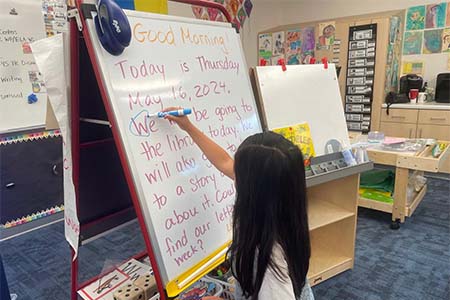
As soon as I enter the classroom, I see our Morning Message displayed on the board. This message isn’t just a greeting—it’s a way to help me and my classmates transition into the school day. The message often includes what we will be learning, a question to spark thinking, or a fun challenge.

Why is it important?

  • Helps build predictability, which makes students feel secure.
  • Encourages early literacy as students practice reading and recognizing words.
  • Creates a sense of community, as students engage in discussions or answer the daily question.

A predictable routine like this helps young learners settle in and feel excited for the day ahead.

Phonics Routine: Laying the Foundation for Literacy

Right after morning work, we dive into our Phonics Routine. This is the time when we focus on letters, sounds, and word-building strategies that help us become strong readers and writers. We might practice letter sounds, segment words, or write high-frequency words on our whiteboards.

Why is it important?

  • Phonics is the building block of reading and writing.
  • Helps students decode words and improve fluency.
  • Engages students with hands-on, multi-sensory learning like singing, movement, and interactive activities.

Research shows that strong phonics instruction is crucial for early literacy success (National Reading Panel, 2000). By practicing phonics daily, students develop confidence in their reading abilities.

Story Time: Expanding Imagination and Comprehension

One of my favorite parts of the morning is Story Time. My teacher picks a book, and we all gather together to listen. Sometimes, the book is from our curriculum—we might use stories from Benchmark Advance, Wit & Wisdom, Wonders, or other literacy programs. These books connect to what we are learning in reading, science, or social studies. Other times, we read a fun picture book just to enjoy a great story.

Why is it important?

  • Develops listening comprehension, which is a key skill for reading success.
  • Introduces students to new vocabulary and concepts.
  • Helps students make connections between stories and their own experiences.

According to research from the National Early Literacy Panel (2008), early exposure to high-quality read-alouds improves children’s vocabulary, comprehension, and storytelling abilities. Story time isn’t just about listening—it’s about building a deep love for reading.

Community Circle: Strengthening Social and Emotional Learning

The last part of our morning routine is Community Circle, where we sit together, share our feelings, and connect with one another. We might discuss how we’re feeling, celebrate small wins, or do a fun greeting to start the day on a positive note.

Why is it important?

  • Helps build relationships and a sense of belonging.
  • Teaches social-emotional skills, like empathy and self-awareness.
  • Creates a positive classroom culture, where every child feels valued.

Studies show that strong social-emotional learning (SEL) programs improve students’ attitudes toward learning and reduce behavioral issues (Durlak et al., 2011). When students feel connected and supported, they are more likely to engage and succeed in school.

Conclusion: Setting the Tone for a Great Day

Each part of my morning routine is carefully designed to support learning, social development, and emotional well-being. The Morning Message gets me thinking, Phonics helps me build literacy skills, Story Time lets me explore new ideas, and Community Circle helps me feel safe and ready to learn.

A strong start to the day leads to more focused learning, stronger friendships, and a happier classroom. And that’s why my morning routine is so important!

References:

  • National Reading Panel. (2000). Teaching Children to Read: An Evidence-Based Assessment of the Scientific Research Literature on Reading and Its Implications for Reading Instruction.
  • National Early Literacy Panel. (2008). Developing Early Literacy: Report of the National Early Literacy Panel.

Durlak, J. A., Weissberg, R. P., Dymnicki, A. B., Taylor, R. D., & Schellinger, K. B. (2011). The impact of enhancing students’ social and emotional learning: A meta-analysis of school-based universal interventions.